
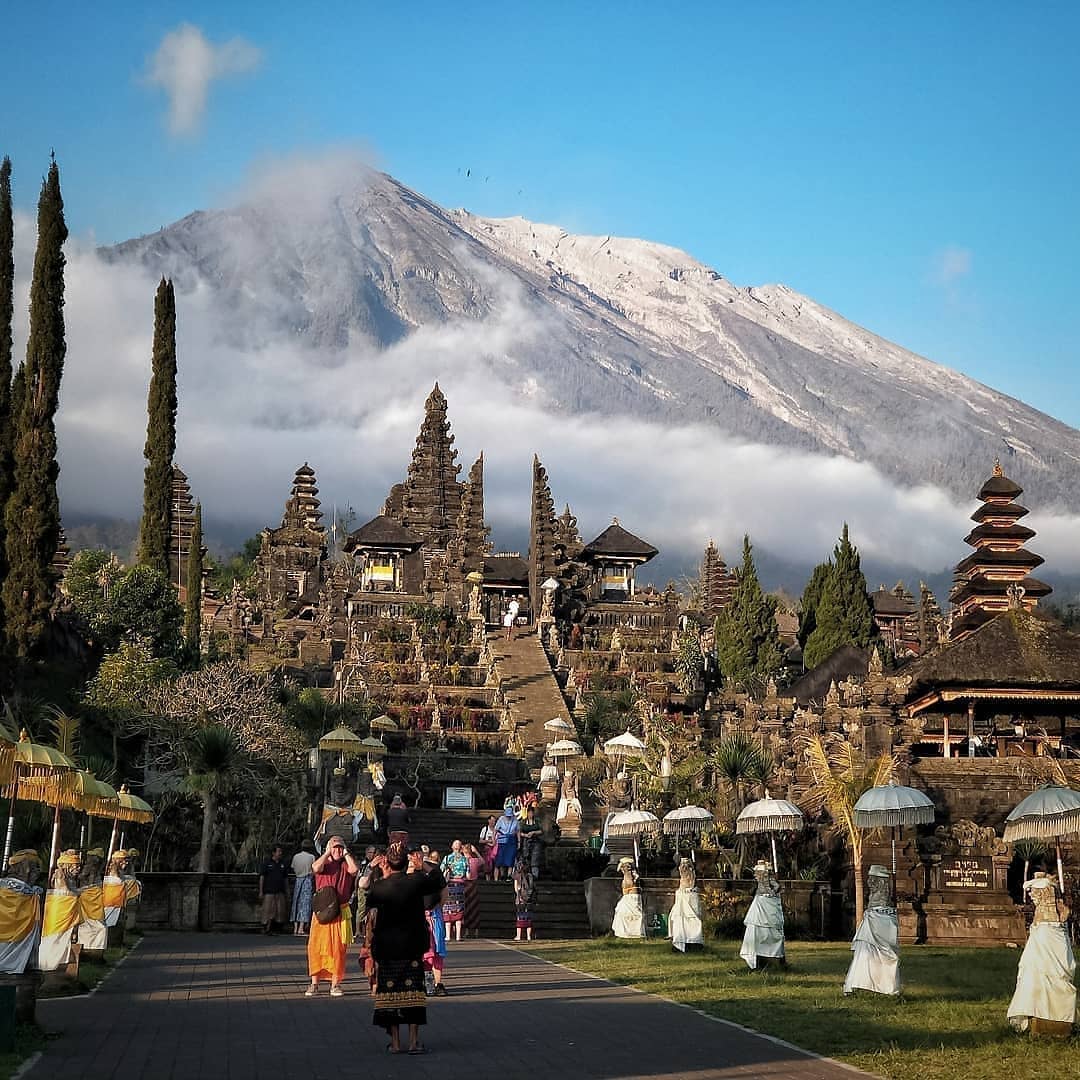
Bali Tour Besakih Mother Temple and East Bali
A Bali Tour Besakih Mother Temple experience is an excellent way to discover one of Bali’s most important cultural and spiritual landmarks. Located on the slopes of Mount Agung in Karangasem, Besakih Temple offers travelers a chance to experience Balinese Hindu heritage, traditional temple architecture, and beautiful mountain scenery. For those looking to explore more than Bali’s beaches and popular tourist attractions, a visit to the Mother Temple can add a meaningful cultural experience to a Bali itinerary.
A Bali Tour Besakih Mother Temple experience offers more than a visit to an impressive religious site. It gives travelers an opportunity to discover Balinese Hindu traditions, admire traditional temple architecture, and enjoy the mountain landscape around Mount Agung.
Located in Karangasem, East Bali, Besakih sits on the slopes of Mount Agung. The journey to the temple also takes travelers through villages, forests, and scenic landscapes. This makes the destination interesting for travelers who want to combine culture, spirituality, and nature in one journey.
Bali Tour Besakih Mother Temple Highlights
Balinese Hindus regard Besakih as one of the most important sacred temple complexes in Bali. The official Indonesia Travel website describes Pura Besakih as the Mother Temple of Hindu Bali on the western slopes of Mount Agung. People have regarded the site as sacred for centuries.
The complex is not simply one temple building. It consists of multiple temples arranged across the mountain landscape. Pura Penataran Agung is considered the central temple within the complex.
For visitors, this scale is one of the first things that makes Besakih different from many other temples in Bali. The architecture, courtyards, gates, shrines, and mountain setting create an experience that feels both cultural and visual.
Mr Bali Tour also highlights Besakih in its guide to Bali temple visits. The company describes it as the Mother Temple and recommends experiencing the site with an understanding of its cultural and religious significance.
Cultural Heritage at Besakih Mother Temple
A visit to Besakih becomes more meaningful when you understand its role as an active religious site. Besakih serves as a sacred place of worship, not simply a tourist attraction. Balinese Hindu traditions are closely connected to daily life, ceremonies, offerings, and harmony with nature and God. The Indonesia Travel website explains that the Besakih area reflects the philosophy of Tri Hita Karana, which emphasizes harmony between humans, God, other people, and the natural environment.
This cultural background is important when visiting the temple. Travelers should remember that people may be praying or taking part in religious activities during their visit.
Taking time to observe respectfully can make the experience much more valuable. Instead of focusing only on photographs, visitors can appreciate the architecture, ceremonies, landscape, and traditions that make Besakih an important part of Balinese culture.
East Bali Scenery on a Besakih Temple Tour
The journey is another important part of visiting Besakih. The temple is located in Rendang, Karangasem, on the slopes of Mount Agung. Its elevated location creates views across the surrounding landscape.
Mr Bali Tour also highlights the scenic route between Kintamani and Besakih. The route passes through highland landscapes and traditional villages before reaching the Mother Temple. This creates an opportunity to experience more than one side of Bali during the journey.
Travelers can also consider combining a Besakih visit with other East Bali destinations, depending on their itinerary and available time. For example, Mr Bali Tour features Bukit Jambul Rice Terrace as a stop on Besakih Temple tour programs. The area is known for its combination of hills, rice fields, valleys, and distant sea views.
This makes a temple-focused journey especially appealing to travelers who want a balance between cultural attractions and natural scenery.
East Bali Scenery on a Besakih Temple Tour
A visit to Besakih can feel different from visiting a typical tourist attraction. The temple remains an important place of worship, so the atmosphere can change depending on religious activities and ceremonies.
Visitors should dress respectfully and follow local temple rules. The official tourism information recommends wearing appropriate temple clothing, including a sarong and sash, and respecting worshippers and restricted areas.
It is also important to follow instructions from local staff or guides while exploring the complex. Some areas may have restrictions because of religious activities.
Rather than rushing through the temple, allow enough time to appreciate the details. Look at the traditional gates, multi-level roofs, stone carvings, and the relationship between the temple structures and Mount Agung.
These details help explain why Besakih is regarded as one of Bali's most significant cultural destinations.
Planning Your Bali Temple Tour
Getting around Bali can take time, especially when traveling between different regions. Besakih is located in East Bali, so planning transportation is important. Mr Bali Tour offers private tours and car charter options, with flexible itineraries that can include Besakih and other cultural destinations.
This approach can be useful if you want to combine the temple with other destinations rather than spending the entire day at one location.
For example, a customized itinerary could focus on East Bali's cultural and scenic attractions. The exact route can then be adjusted based on your interests, travel time, and preferred destinations.
Respectful Travel at Besakih
Because Besakih is an active sacred site, responsible tourism is especially important.
Avoid entering restricted areas unless you are permitted to do so. If a religious ceremony is taking place, give worshippers enough space and avoid interrupting their activities. Photography should also be done respectfully.
Simple actions can make a difference. Dress appropriately, follow local instructions, keep the area clean, and remember that the temple's primary purpose is religious rather than recreational.
This mindset can make your Bali Tour Besakih Mother Temple experience more respectful and rewarding.
When to Include Besakih in Your Bali Itinerary
Besakih can work well for travelers who are interested in Balinese culture, architecture, spirituality, and mountain scenery.
It is particularly suitable for visitors who want to explore beyond Bali's famous beach destinations. The journey toward Karangasem provides a different perspective of the island, with rural landscapes and highland scenery along the way.
If you are staying in southern Bali or Ubud, keep in mind that reaching Besakih requires a longer journey than many central or southern attractions. The official tourism information notes that the temple is roughly a two-hour drive from Ubud and around two and a half hours from Kuta, although actual travel time can vary depending on traffic and road conditions.
For that reason, it is often practical to combine Besakih with other destinations in the same area when creating a full-day itinerary.
Explore Bali Beyond the Famous Attractions
Bali offers much more than beaches and popular photo spots. Its temples provide a window into the island's history, spirituality, architecture, and living traditions.
Besakih stands out because of its scale, location, and cultural importance. Set against Mount Agung, the complex creates a strong connection between Balinese architecture, religion, and the natural landscape.
A Bali Tour Besakih Mother Temple journey can therefore become an opportunity to see a quieter and more cultural side of the island. Whether you love culture, photography, architecture, or exploring beyond Bali’s usual spots, Besakih is worth visiting.
With a flexible itinerary, you can also combine the temple with other East Bali attractions and scenic stops. Mr Bali Tour provides customized Bali tours for travelers who want to create an itinerary around their preferred destinations.
When visiting Besakih, take your time, respect the sacred environment, and look beyond the photographs. The real value of the Mother Temple lies in the living culture and traditions that continue to shape Bali today.
